
The Art of the Oak Cask: Scotland's Most Prized Vessel
Before anything can age, it must first be contained. The oak cask is not merely a vessel — it is a collaborator. A craftsman's finest work, and nature's most patient partner.
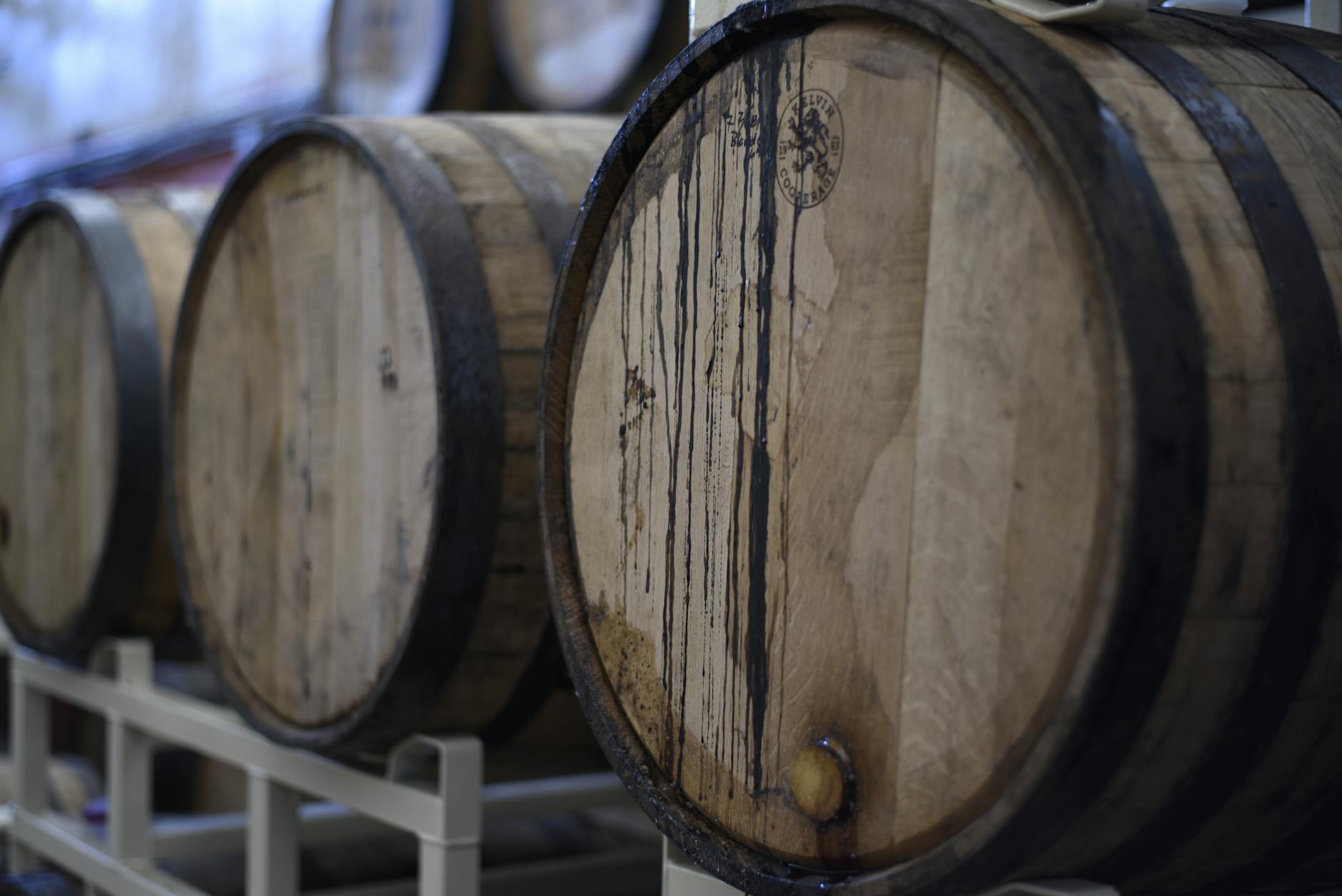
Before anything can mature, it must first be contained. And in Scotland, the vessel chosen for that sacred purpose is one of the most carefully crafted objects in the world: the oak cask. To understand the heritage assets that emerge from Scotland's ancient warehouses is to understand, first, the humble magnificence of the container that holds them.
The oak cask is not merely a barrel. It is a collaboration between a craftsman's skill and a forest's patience — a finite, unique object that will, over its lifetime, become one of the most important participants in one of the world's oldest traditions.
The Coopering Craft
The people who make oak casks are called coopers, and their trade is among the most ancient in recorded history. Evidence of coopering — the construction of sealed wooden vessels from shaped staves — dates back more than two thousand years, to the workshops of ancient Gaul and Rome. The craft spread across Europe with trade and conquest, and eventually found one of its most refined expressions in Scotland, where the particular demands of long-term aged asset maturation elevated coopering to something approaching fine art.
A single cask is made from many individual staves — long, carefully shaped pieces of oak that are fitted together without nails, without glue, held in place entirely by the pressure of iron hoops and the natural tension of the wood. Getting each stave to sit flush against its neighbours, to form a seal so tight it can hold liquid for decades, requires extraordinary precision. A cooper works by feel as much as by measurement, knowing the wood through their hands, understanding how it will move as it dries and swells and settles.
The process of making a single cask can take hours of skilled labour. The staves must be selected — grain tight, moisture correct — then shaped on a jointer, bent over heat and steam, assembled into a form, and finally toasted or charred on the inside. That internal treatment, the charring of the wood's surface, is one of the most consequential moments in the cask's long life.
The Wood Speaks
Not all oak is equal, and in Scotland, the choice of wood is treated with the seriousness it deserves. American white oak — Quercus alba — is prized for its tighter grain and the vanilla-rich compounds it carries in its fibres. European oak — Quercus robur — is denser, spicier, fuller in the characteristics it imparts. Spanish oak, particularly from the sherry wine regions of Andalusia, brings a depth of dried fruit and richness that is beloved by the master craftspeople who select casks for special maturation.
Each wood type communicates differently with the maturing asset within. The cask is not passive — it is active, drawing compounds in and out through a process driven by temperature change and time. As the seasons shift and the warehouse breathes, the contents of the cask expand gently into the wood's charred interior during warmer periods, extracting colour and character from the oak. In cooler periods, they contract, drawing back, filtering through the carbon layer left by the charring process.
This cycle — expansion, contraction, extraction — repeats year after year, decade after decade. The result is a transformation that cannot be replicated artificially, compressed into a shorter timeframe, or achieved by any other means. It requires the oak. It requires the time. It requires patience of a kind that modern industry struggles to sustain.
A Finite Object
Here is something rarely considered by those encountering oak casks for the first time: every cask is, in the most literal sense, unique. No two casks produce exactly the same result, even when filled from the same source on the same day and stored side by side in the same warehouse. The specific character of the wood, the precise dimensions of the vessel, the individual quirks of its staves — all of these variables combine to create a maturation experience that cannot be perfectly replicated.
This is what makes the oak cask a genuinely finite object. Once its contents are removed and the cask retires, that particular combination of wood and time and place is gone forever. The cask may be reused — indeed, many are used multiple times, each fill drawing different characteristics from the increasingly seasoned wood — but what it produced in its first, second, or third fill is singular. Irreplaceable. Gone into the world as something that could only have come from that cask, in that warehouse, in that year.
The Cask as Heritage Object
Scotland takes the craftsmanship of coopering seriously in a way that few other countries do. The Speyside Cooperage in Craigellachie, for example, is one of the last working cooperages open to visitors, where skilled craftspeople repair and remake thousands of casks per year using techniques refined over centuries. Watching a cooper at work — the confident placement of each stave, the ringing blows of the hammer driving hoops into place, the hiss of steam and the scent of charring wood — is to witness a craft that has resisted automation, that remains fundamentally human, fundamentally skilled.
Apprenticeship in coopering traditionally lasts four years — years of learning the wood, learning the techniques, learning to feel the difference between a stave that will hold and one that will not. The knowledge accumulated over those years is not written down in any manual. It lives in the hands, in the eye, in the accumulated experience of watching hundreds of casks take shape under the guidance of a master.
What the Cask Keeps
When a cask is filled and sealed in Scotland, a long, undisturbed journey begins. The craftspeople who fill it know they may not be alive to see it opened. The wood they have chosen will spend years, perhaps decades, slowly giving of itself to the maturing asset within — imparting colour, complexity, and character that build, layer by layer, season by season, into something remarkable.
The oak cask is Scotland's most prized vessel not because it is decorative or expensive or rare in itself — though examples of exceptional coopering are all of these things. It is prized because of what it does over time. Because of the transformation it facilitates. Because no machine, no shortcut, no modern technique can replicate what a well-crafted oak cask does when left alone, in a cool stone warehouse, with nothing but time and the Scottish climate for company.
In a world that accelerates relentlessly, the oak cask stands as proof that some of the most extraordinary things still require patience, craft, and the willingness to wait.